
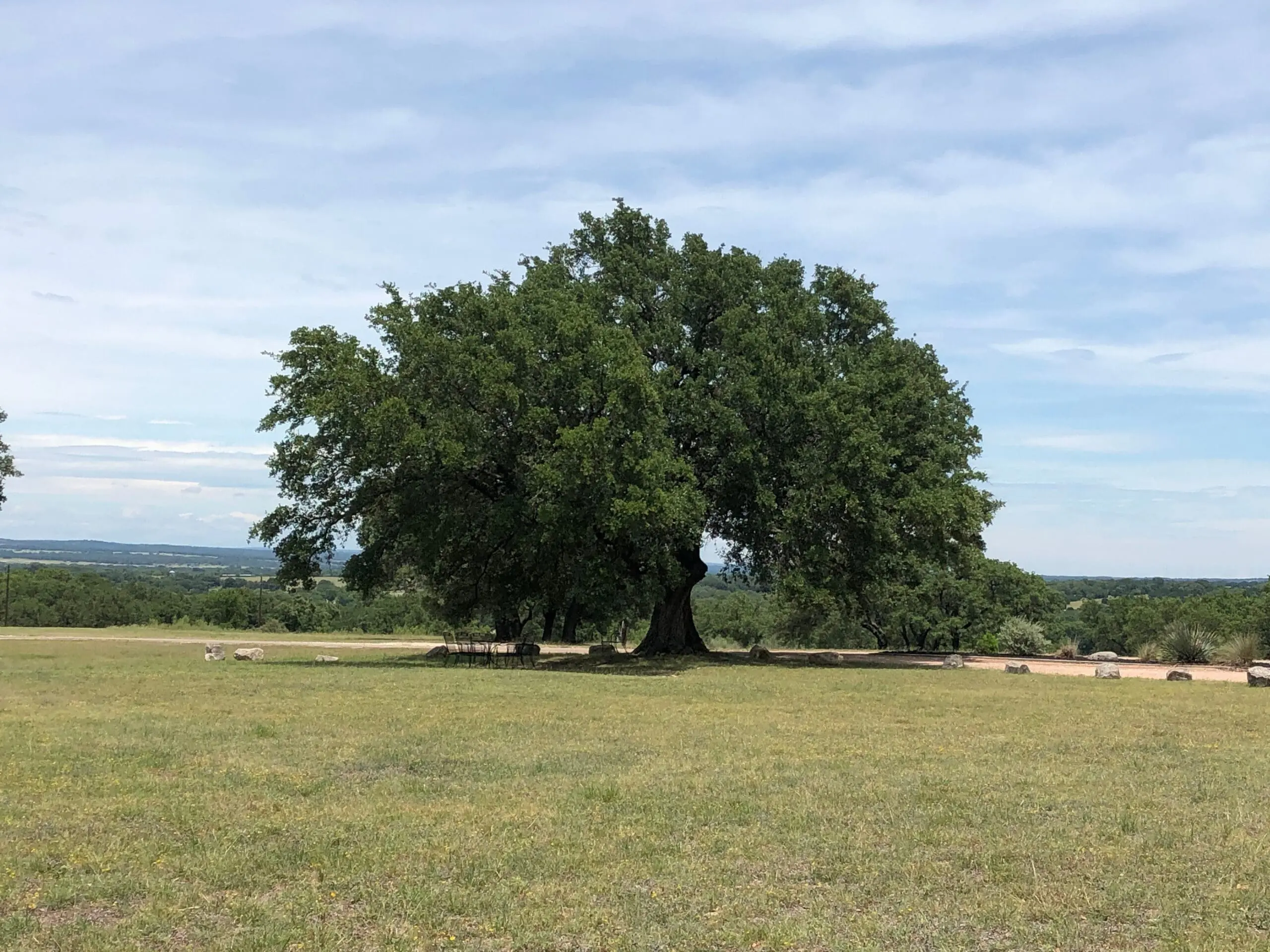
Hey neighbors — if you’ve lived in Midland/Odessa for any length of time, you already know the truth: West Texas doesn’t “go easy” on landscapes. Between caliche soil, hard well water, extreme heat, and those surprise cold snaps, a lot of trees struggle, including the resilient Texas Live Oak.
That’s why today’s spotlight is on a local favorite that can actually hold its own out here: the Live Oak. It’s not just a pretty shade tree — it’s one of the best long-term investments you can make in your landscaping when it’s planted and cared for the right way.
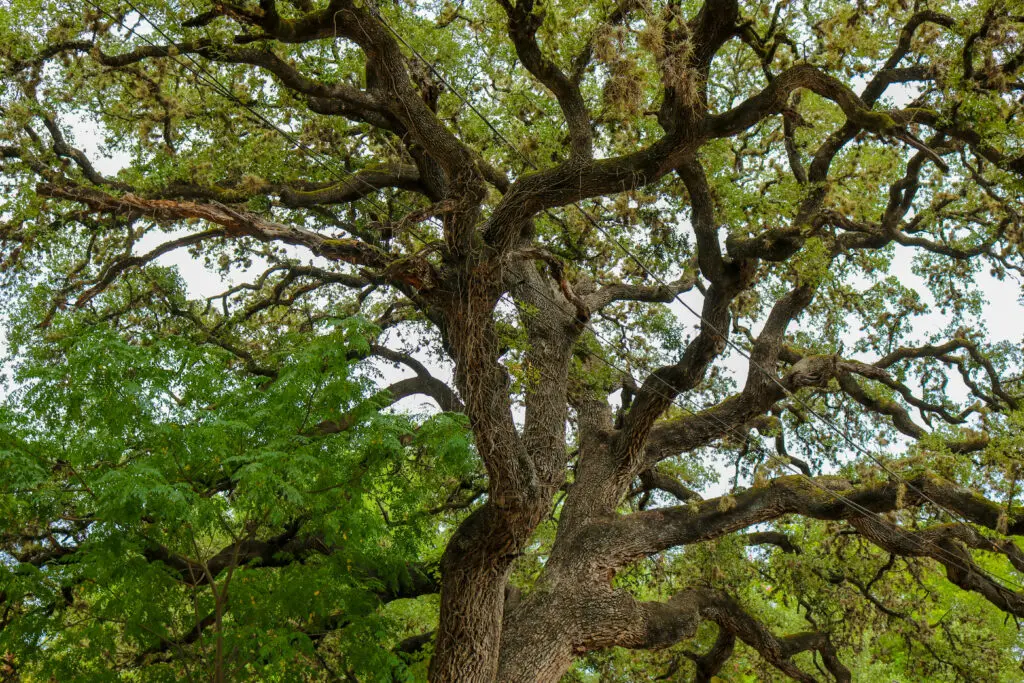
Why Texas Live Oaks work so well for West Texas landscaping
A Live Oak checks a lot of boxes for our climate:
- Heat tolerance: When summer hits and the temps won’t quit, Live Oaks are built to endure.
- Wind resilience: West Texas wind can be brutal on weak-wood trees. Live Oaks tend to handle it better.
- Evergreen-ish shade: Live Oaks keep foliage most of the year (they’ll drop leaves in late winter/early spring as new growth comes in), which means more consistent shade.
- Curb appeal: Mature Live Oaks look established, classic, and high-end — great for homes and commercial properties.
If you’re thinking about landscape design upgrades, adding a well-placed shade tree can change the whole feel of a yard — and make outdoor spaces usable again.
The #1 thing that makes or breaks Texas Live Oaks here: the soil
Let’s be real for a second: caliche soil is not “normal dirt.” It can be rock-hard, alkaline, and it doesn’t drain the way most trees want.
Here’s what we recommend for planting Live Oaks in West Texas:
- Dig wide, not just deep. A wide planting area helps roots spread instead of circling.
- Check drainage before you plant. If water sits in the hole, you’ll need to improve drainage or adjust the planting location.
- Don’t bury the root flare. That little “flare” at the base of the trunk should be visible above the soil line.
- Use the right amendments (and don’t overdo it). The goal is to help the tree transition into native soil — not create a perfect pocket it can’t escape.
This is where professional landscaping and landscape design planning pays off. A tree is a decades-long decision — it’s worth doing right the first time.
Watering with hard well water (without causing problems)
A lot of Midland and Odessa properties rely on hard well water, and that can lead to mineral buildup in soil and irrigation components over time.
Live Oaks are fairly drought-tough once established, but they still need smart watering:
- Newly planted (first year): Deep watering is key. You want moisture down where roots are growing.
- Established trees: Water less often, but more deeply. Frequent shallow watering encourages weak surface roots.
- Watch your irrigation setup. Dripline can be great for precise watering, but mineral buildup can clog emitters if the system isn’t maintained.
If your irrigation system isn’t delivering water evenly, your tree will show it — thinning canopy, leaf scorch, slow growth, or dieback. A quick irrigation inspection can prevent a lot of expensive headaches.
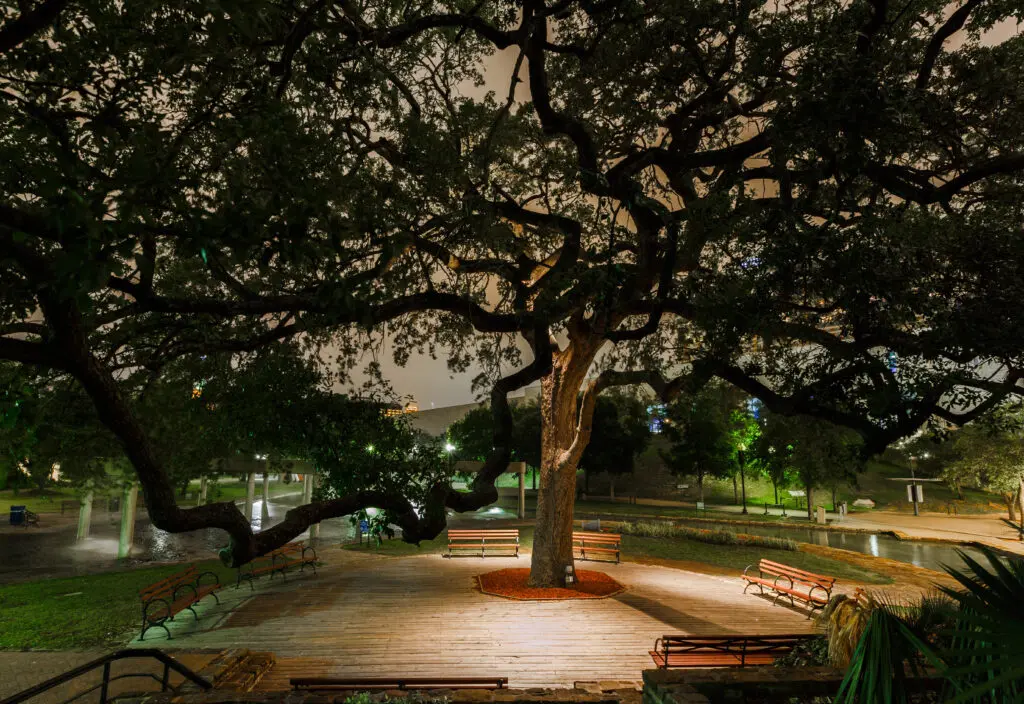
Tree trimming: How to keep a Live Oak strong (and safe)
Live Oaks can get big, and that’s a good thing — until branches start rubbing, hanging over roofs, or getting too heavy.
A few practical tree trimming tips:
- Don’t “lion tail” it. Removing too many inner branches can make limbs more likely to break in wind.
- Prune for structure, not just clearance. The goal is a balanced canopy and strong branch unions.
- Timing matters. Proper pruning windows reduce stress and help the tree recover faster.
If you’re unsure, it’s worth having a certified pro take a look. Safe tree trimming isn’t just about looks — it’s about preventing storm damage and keeping people and property protected.
Common Problems we see in Midland/Odessa
Even tough trees have weak spots. Here are a few issues we commonly troubleshoot:
- Overwatering + poor drainage: This is a big one in caliche-heavy areas.
- Compacted soil: Foot traffic, parked trailers, or construction can suffocate roots.
- Weed competition: Yes, even weeds matter. Aggressive weeds (and goatheads) compete for water and nutrients, especially around young trees.
- Irrigation misfires: Sprinkler heads hitting the trunk or uneven coverage can stress the tree.
Good lawn care and weed control around the base of a tree helps more than most people realize. A clean, mulched ring (not piled against the trunk) can protect roots, hold moisture, and reduce weed pressure.
Where Texas Live Oaks fit best in landscape design
If you’re planning landscaping improvements, here are a few smart uses for Live Oaks:
- Front yard anchor tree for long-term curb appeal
- Shade for patios and outdoor seating (seriously, shade changes everything in July)
- Commercial property shade to improve comfort and appearance
- Energy savings by shading west-facing windows and walls
Placement matters — we can help you choose a spot that works with your irrigation layout, hardscape plans, and long-term growth.
Need help choosing, planting, or maintaining trees?
Eternal Tree & Landscape has been serving Midland, Odessa, and West Texas for 30+ years, and we’re proud to be voted Best of the Basin (2024 and 2025).
If you want help with landscaping, landscape design, tree trimming, lawn care, irrigation, or weed control, we’re here to make it easier — and to make sure what you plant actually thrives in our climate.
Check us out here: https://www.etlmidland.com or call 432-689-8186 to schedule your assessment!
Recent Comments