
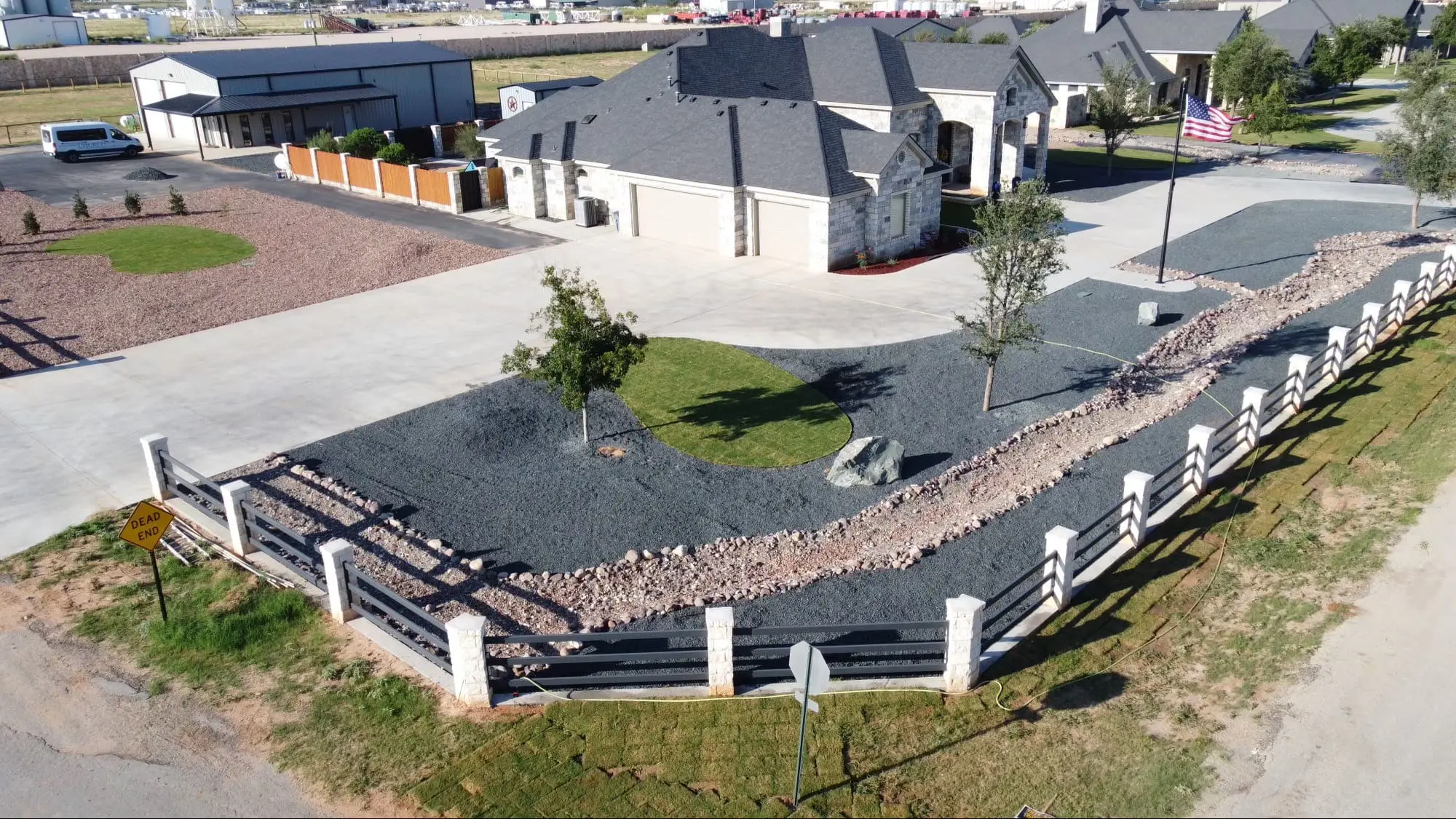
Landscaping in Midland TX works when you design for heat, caliche, wind, and mineral-heavy well water — not for a catalog photo from Houston or Dallas. The yards that last use drought-tolerant plants, deep infrequent watering, drip on beds, and trees placed for shade without fighting the soil.
That’s the short answer. The rest of this guide is what we actually install and maintain across Midland, Odessa, and the Permian Basin.
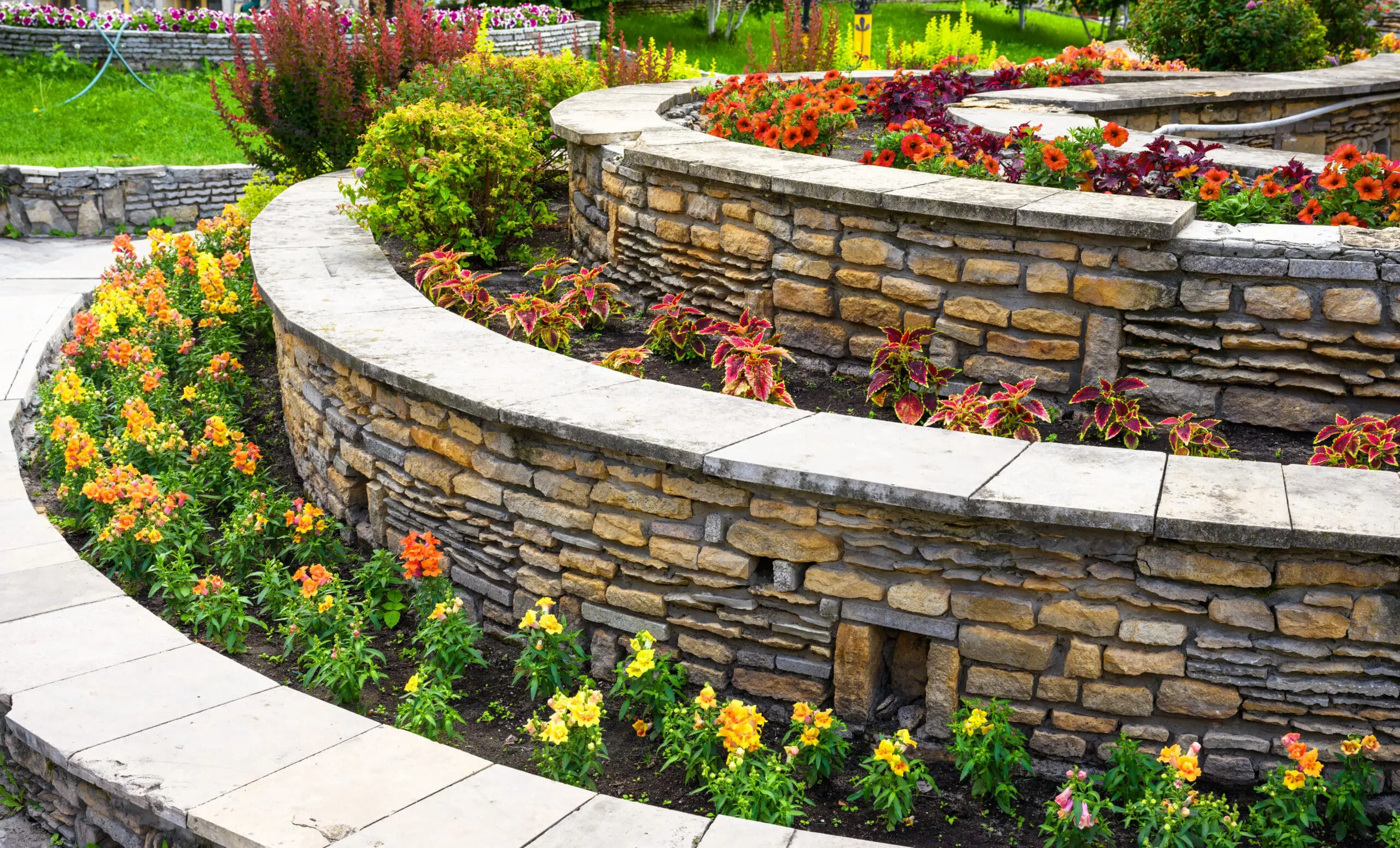
What makes Midland TX landscaping different from the rest of Texas?
Midland TX landscaping is different because the limiting factors are soil and water chemistry, not just heat.
West Texas yards deal with four conditions at once:
- Caliche and compacted alkaline soil that sheds water instead of soaking it in
- Well water with salts and minerals that burn leaves and clog irrigation
- Low rainfall (roughly 13–16 inches a year) plus long stretches of 100°F+
- Wind and reflected heat off stucco, rock, and pavement
A plant that “does fine in Texas” can still fail here. Live oak, desert willow, Texas sage, lantana, and properly zoned Bermuda or zoysia succeed because they match those conditions. Thirsty ornamentals and poorly drained beds usually don’t.
What plants grow best in Midland and Odessa?
The best plants for Midland and Odessa are drought-tolerant natives and adapted species that handle alkaline soil and heat once established.
- Live oak — shade workhorse when planted and watered correctly
- Desert willow — summer flowers, low water after establishment
- Fruitless mulberry — fast shade (plan for size and pollen/mess tradeoffs)
- Mesquite — native survivor; prune for structure, not “lollipop” cuts
- Chinese pistache — reliable color and toughness in many West Texas yards
Shrubs and perennials
- Texas sage (cenizo)
- Blackfoot daisy
- Lantana
- Pride of Barbados
- Autumn sage
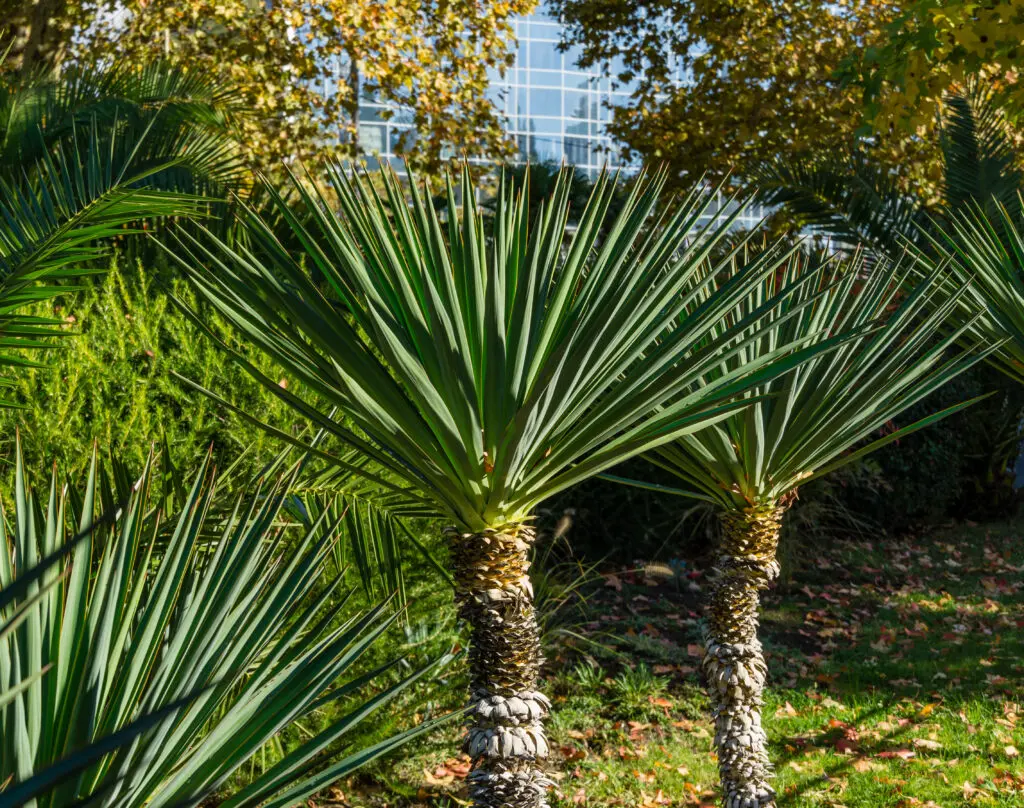
- Spanish dagger / yucca
- Mexican bird of paradise
Turf that can work (if you want lawn)
- Bermuda — still the most common Midland lawn when irrigation is zoned and heads are clean
- Zoysia — denser, slower, often lower weed pressure if you accept a different look
- Buffalo grass — for lower-input areas, not a high-traffic sports lawn
Skip plants that need constant moisture, acidic soil, or heavy afternoon shade you don’t have. If a tag says “keep evenly moist,” it’s usually a poor bet here.
How should you water a Midland yard?
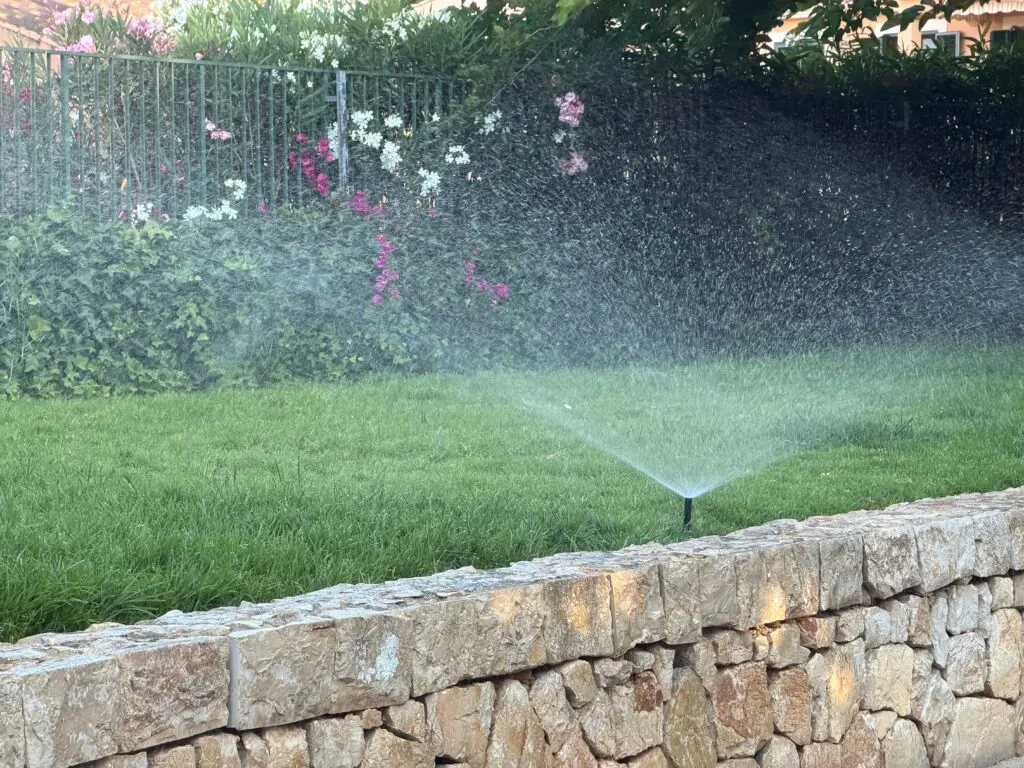
Water Midland landscapes deeply and less often. Shallow daily watering grows weak roots and wastes water on caliche.
A practical starting point in peak summer:
| Area | Typical summer pattern | Goal |
|---|---|---|
| Lawn (Bermuda/zoysia) | 2–4 days per week, longer run times | Wet the root zone, then let it dry |
| Shrubs and beds | Drip 2–3 days per week | Water the soil, not the leaves |
| Established trees | Deep soak less often | Moisture 12 inches down under the dripline |
| New plants (year 1–2) | More frequent, still deep | Establish roots before cutting back |
Do this, not that:
- Water early morning, not mid-afternoon
- After a real rain, skip a cycle
- On well water, inspect nozzles and drip emitters for mineral clogging
- Trees want a wide, slow soak — not a spray hitting the trunk
Overwatering is one of the top reasons desert willow and other “tough” plants fail here. Roots need air as much as water.
What is the best time to plant in Midland, TX?
The best time to plant trees and most shrubs in Midland is November through March. Cooler air and still-warm soil let roots grow before summer heat hits.
Container plants can go in other months if you commit to establishment watering. Summer installs are possible; they are not forgiving. A new 2-inch caliper tree generally needs about two years of attentive watering to establish in this climate.
Call 811 before you dig deeper than about 16 inches.
How do you landscape over caliche?
You landscape over caliche by improving the planting hole and water path — not by pretending the soil is loam.
What works in landscaping Midland TX jobs:
- Dig a wide hole, not a deep slick-sided pit that holds water like a bucket
- Break glazed caliche so water can move sideways
- Backfill with native soil plus modest amendment — giant “potting mix” pockets often create a bathtub
- Mulch 2–3 inches, kept off the trunk
- Use drip or soaker lines at the root zone
- Expect extra labor and rock. Caliche is why “same plant, different city” quotes fall apart
If the site is solid caprock, design around it with raised beds, smaller trees, or hardscape instead of forcing a giant shade tree into six inches of dirt.
Why do Midland lawns turn yellow even when they get water?
Midland lawns turn yellow from salt stress, poor infiltration, nutrient lockout, insects, or disease — not only from “not enough water.”
Common local causes:
- Well-water salts leaving white crust on heads and leaf burn on turf
- Caliche runoff so one zone puddles and the next stays dry
- Iron/zinc issues in alkaline soil (yellow leaves, green veins on some trees and turf)
- Grubs chewing roots so the lawn peels back like carpet
- Mowing too short in July heat
More water without a diagnosis often makes salt and fungus worse. A TDA licensed applicator and a licensed irrigator should look at soil, heads, and the plant — not just sell another bag of fertilizer.
Should you xeriscape landscaping in Midland TX?
Yes. Xeriscape is one of the most reliable landscape styles in Midland because it cuts irrigation demand without requiring a bare-rock yard.
Xeriscape means water-wise design: right plant, right place, efficient irrigation, mulch, and less thirsty turf. It is not the same as zeroscape (almost no plants).
A typical Midland xeriscape mix:
- Reduced Bermuda or zoysia only where you walk and play
- Drip-irrigated native beds
- Shade trees on the west and south sides of the house
- Decomposed granite, flagstone, or native rock where turf fights you
- Color from lantana, salvias, and desert willow instead of annuals that melt in August
A well-designed xeriscape can use a fraction of the water of a wall-to-wall lawn. That matters on city water and on wells that already fight mineral buildup.
When should you call a landscaper or arborist in Midland?
Call a local pro when the problem is structure, safety, licensing, or a system — not a Saturday bag of weed-and-feed.
Call if you have:
- Dead or hanging limbs over a roof, play area, or drive
- A tree leaning, hollowing, or dropping large wood
- Dry spots and soggy spots in the same yard
- White scale on sprinkler heads or leaf burn after irrigation
- A new install on caliche or a full yard redesign
- Anything that requires spraying, irrigation work, or a written warranty
Texas does not issue a statewide arborist license. Look for an ISA Certified Arborist, a TCEQ Licensed Irrigator for sprinkler work, and a TDA Licensed Applicator for weed and pest control. Ask for liability and workers’ comp, plus warranties in writing.
Eternal Tree & Landscape includes a one-year warranty on workmanship and a 90-day warranty on plants we install. Details go in the proposal before the crew starts.
Midland landscaping FAQ
What grass is best for Midland, Texas?
Bermuda is the most common and heat-tolerant lawn grass in Midland. Zoysia is a strong alternative if you want a denser turf and can accept slower growth. Cool-season lawns struggle in our summers.
How often should I water trees in West Texas?
Established trees need deep, infrequent watering at the dripline — not daily sprays at the trunk. New trees need more frequent deep soaks for one to two years. In a dry winter, don’t assume dormancy means “zero water.”
Can I keep a green lawn on well water?
Yes, but expect mineral buildup, clogged heads, and salt stress. Clean nozzles, zone the system correctly, and treat the lawn as a system (water quality + soil + mowing height), not just a watering schedule.
Is drip irrigation better than spray in Midland?
Drip is usually better for beds, shrubs, and many tree wells because less water evaporates and fewer weeds germinate. Spray still makes sense for turf if heads are matched, unclogged, and run at the right time of day.
What is the biggest landscaping mistake in the Permian Basin?
Planting a wet-climate design into caliche and well water, then watering it like Houston. The second-biggest is planting the right tree in the wrong hole and walking away in June.
Ready for a yard that matches Midland, not a catalog?
If you want a landscape that looks good in August — not just in April — start with a site visit. We’ll look at soil, exposure, irrigation, and the trees you already have, then give you a written scope, timeline, and warranty.
Eternal Tree & Landscape
Midland • Odessa • Permian Basin
ISA Certified Arborist · TCEQ Licensed Irrigator · TDA Licensed Applicator
Call (432) 689-8186
Email office@etlmidland.com
Web https://www.etlmidland.com
Recent Comments