
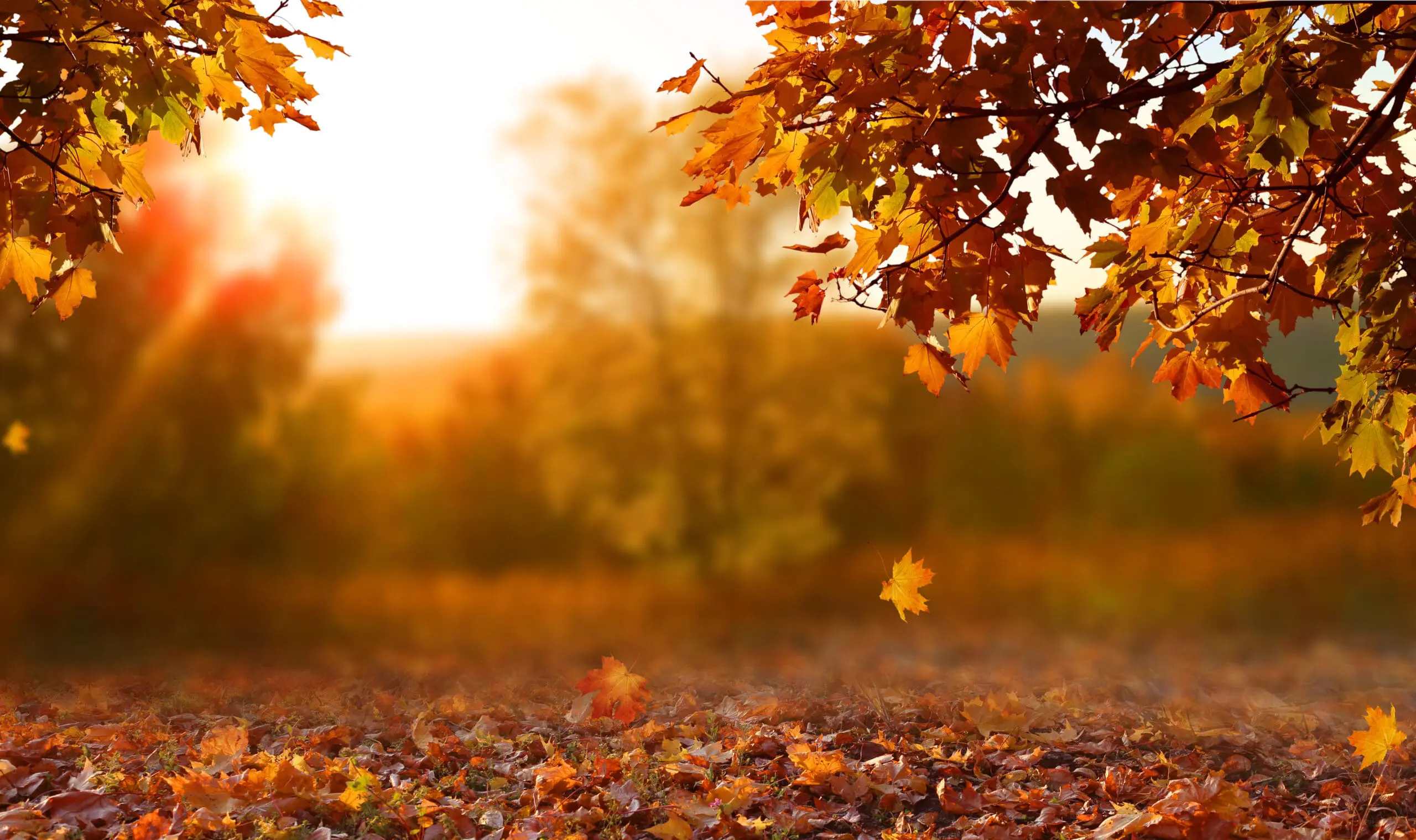
Hey y’all—Eternal Tree & Landscape here in Midland, Texas. If you’ve spent a minute watching the autumn color in Midland as the leaves shift, you’ve probably noticed that some years wow more than others. The autumn display isn’t just about “cool weather,” it’s a smart mix of temperature, sunlight, moisture, species, and a dash of local charm. Here’s a friendly, practical guide to what shapes fall color in West Texas—and how we help it shine for our clients.
What colors you’ll see and why, in simple terms
- Green to color transition: Leaves shed chlorophyll as days shorten and temperatures cool, revealing the other pigments hiding underneath.
- Yellows and oranges (carotenoids): These pigments are in every leaf all summer; they pop when chlorophyll fades.
- Reds and purples (anthocyanins): Not always present in every species or year. They’re produced in response to certain conditions and can add striking reds, magentas, and purples.
- Browns and russets (tannins): Result from pigment breakdown and aging leaves, giving you browns and more muted tones.
Key conditions that influence autumn color in our Midland area
1) Temperature patterns
- Night chill after sunny days: Cool nights (but not freezing) with sunny days tend to boost color intensity, especially reds and purples.
- Frost timing: Early frost can shorten the color window by ending photosynthesis sooner. A light frost might intensify reds, while a hard frost often dulls colors or causes leaves to drop early.
- Late heat: A late warm spell can slow color change and soften hues because chlorophyll lingers longer.
2) Sunlight and day length
- Shorter days trigger the seasonal shift, telling trees it’s time to shut down.
- Bright, sunny days help intensify reds and purples through anthocyanin production.
- Cloudier autumns tend to yield more muted yellows and oranges, since energy isn’t as focused on pigment production.
3) Moisture and soil conditions
- Moderate soil moisture: Typically supports the most vivid colors. Drought stress can cause early leaf drop and duller hues.
- Summer water management: A well-watered, healthy root system going into fall supports richer color; too much drought stress or overly wet conditions can affect color quality.
- Texas-specific note: In our region, soil type and timely irrigation can make a noticeable difference in how long leaves stay vibrant.
4) Species mix and genetics
- Maples, oaks, birches, and aspens each have their signature color tendencies. In Texas landscapes, maples often deliver brilliant reds and oranges where climate allows, while native or desert-adapted trees may show subtler yellows or russets.
- Genetics matter: Even within the same species, cultivars differ in timing and intensity. Our team uses proven cultivars suited to Midland’s heat, drought, and soil.
- Diversity rocks: A mix of species usually yields a richer, longer-lasting color display than a monoculture.
5) Tree health and age
- Healthy trees color best and hold leaves longer.
- Stressed trees (poor irrigation, root issues, or disease) might color less vividly or drop leaves earlier.
6) Microclimates and location
- Midland’s varied microclimates—hot, sunlit lots vs. shaded courtyards or urban canyons—affect timing and hue.
- Elevation and proximity to open spaces can shift when colors peak.
7) Weather timing around peak color
- Warm late-summer spells followed by a dry, cool autumn tend to produce crisp, vibrant color.
- Rainy, overcast periods during peak color can mute reds and purples, though yellows and oranges may still pop.
- Windstorms can strip leaves and shorten the color window, especially on exposed trees and shrubs.
Practical tips from Eternal Tree & Landscape for Midland clients
- Plan for timing: Fall color in West Texas often peaks late September through October, varying by species and year. We monitor local weather and forecasts to time pruning, fertilization, and irrigation adjustments to support color.
- Choose the right species: For Midland drama, mix native and well-adapted non-natives. We select cultivars known for reliable fall color and heat/drought tolerance. If you want maximum red, we’ll lean on maples or red-leaf varieties suited to Texas summers; for golden tones, we’ll use birches or select oaks where climate permits.
- Garden and landscape tweaks: Maintain consistent soil moisture in late summer and early fall, then taper irrigation as temperatures drop—this helps leaves develop color rather than staying green too long.
- Pruning and health care: Removing dead or stressed limbs reduces energy drain and can improve sun exposure where beneficial. We avoid aggressive pruning that might delay color development.
- Weed, disease, and pest vigilance: Healthier trees color better. We monitor issues that could reduce color quality and address them promptly.
- Photography and display: For autumn photography magic, plan for bright, cool days with gentle sun. Morning light yields softer shadows and rich color. We can position trees and shrubs for optimal autumn photography in your landscape.
A quick regional checklist you can use
- Species mix: Do you have a balanced mix of trees known for autumn color?
- Soil and moisture: Are you maintaining steady moisture in late summer and early fall?
- Sun exposure: Do key color trees receive good sun in the morning or afternoon?
- Health: Any signs of pests, disease, drought stress, or root issues?
- Timing: When do your trees typically begin to color up vs. peak? Is there a plan to adjust irrigation and fertilization accordingly?
Tailored next steps for Eternal Tree & Landscape clients
- If you’re in Midland, we can craft a climate-appropriate plant palette featuring 5–7 species with color profiles, care tips, and maintenance schedules tailored to your site.
- We can add a seasonal photo checklist and an SEO-friendly content bundle to help your home and business clients find us for autumn color, tree health, and landscape services in Midland.
- Want an on-site assessment? We offer a fall color readiness check, including soil moisture planning, irrigation timing, pruning strategy, and a color-focused planting plan for next year and even leaf cleanups.
- Want to learn more about perennials for West Texas? Check out this article "Embracing the Beauty of West Texas Perennials." Red Yuccas are one of our favorites to plant in Midland. Red Yuccas offer color with little to no maintenance.
Recent Comments