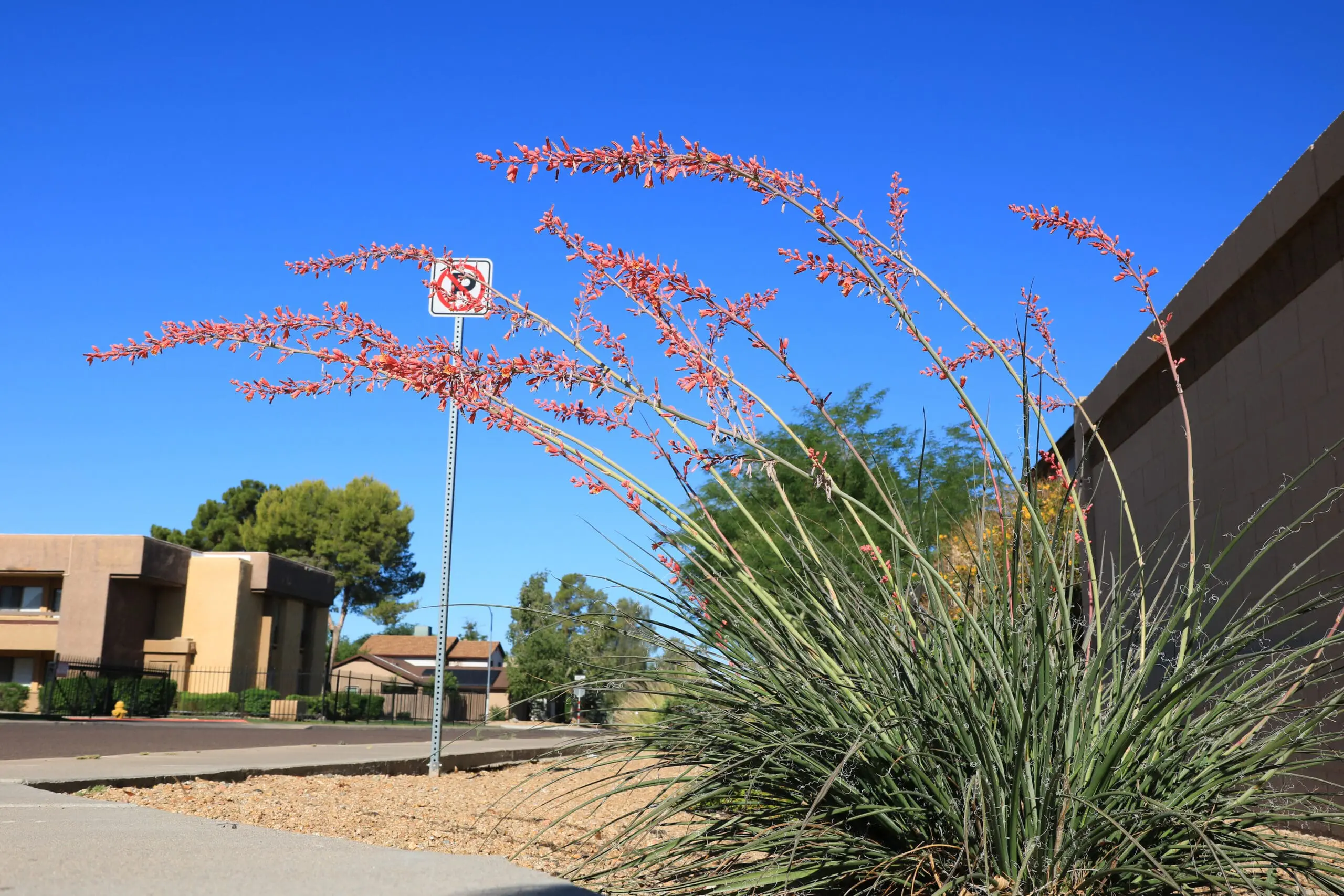
If you’re planting a landscape in Midland, Texas, you’ve probably learned a few hard truths: our summers are hot, dry spells are common, and you want something that doesn’t beg for constant pampering. Enter Red Yucca (Hesperaloe parviflora, often misnamed as Yucca rubra). It’s not a true yucca, but its shimmery, bold silhouette and rugged nature make it a standout choice for Midland’s desert-adjacent climate. Here’s why this plant deserves a sunny spot in your yard, plus when, where, and how to use it.
What makes Red Yucca a fit for Midland?
- Drought tolerance: Midland’s summers are long and dry. Red Yucca is built for it. Once established, it requires minimal irrigation beyond occasional deep watering during extreme droughts.
- Heat lovers: It thrives in full sun and loves hot temperatures. In fact, it may look a little leggy or stressed if kept in too much shade.
- Low maintenance: No fuss, minimal pruning, and a long bloom window mean you spend less time on yard work and more time enjoying it.
- Evergreen structure with seasonal drama: Foliage stays green, and the plant sends up tall, slender flower stalks with reddish-pink blossoms that attract hummingbirds.
What Red Yucca looks like
- Size and form: It’s a clumping, evergreen perennial to about 2–4 feet tall and wide, depending on variety and growing conditions. In full sun, it forms a tidy, fountain-like rosette with arching leaves.
- Foliage: Long, sword-shaped leaves with a soft gray-green to blue-green color. The leaves are often slightly curved and can have a hint of red at the edges, especially when stressed by cold or sun.
- Flowers: In late spring through fall, tall spikes (to several feet) emerge, adorned with tubular red, coral, or pink flowers. The bloom adds vertical interest and attracts pollinators.
Where to place Red Yucca in a Midland landscape
- Sunny spots: Plant in full sun for best color and bloom. It will tolerate partial shade, but flowering may be reduced.
- Well-drained soil: Red Yucca hates wet feet. It’s happiest in well-draining sandy or loamy soils. If your soil stays soggy after rains, amend with compost and grit or consider raised beds.
- Hot, low-water borders: It’s ideal along low-water xeriscapes, along driveways, or in rock gardens where drainage is excellent.
- Focal points and mass plantings: The bold silhouette makes it a great focal plant or a reliable mass for a desert-style border.
How to plant and care for Red Yucca
- Planting time: In Midland, fall or spring planting is ideal. This gives roots a chance to establish before the hottest months.
- Spacing: Space about 1.5 to 3 feet apart, depending on the desired fullness. They tend to clump and slowly spread, but aggressive spreaders aren’t typical.
- Watering after planting: Water deeply after planting and then water about once a week the first growing season unless rainfall is plentiful. Once established, reduce to deep, infrequent watering.
- Mulch: A 2–3 inch layer of mulch helps conserve moisture and regulate soil temperature, but keep mulch a few inches away from the base to prevent rot.
- Fertilizing: Red Yucca is not a heavy feeder. If you want a little boost, apply a balanced, slow-release fertilizer in spring. In Midland’s sandy soils, a light top-dress of compost can help maintain soil structure and moisture.
- Pruning: Minimal pruning needed. You can remove spent flower stalks after the bloom cycle if you want to tidy the plant. Don’t cut into the rosette; the leaves are tough and low-maintenance.
- Cold tolerance: It’s fairly hardy but can suffer in prolonged freezing weather. In Midland’s climate, occasional light frost is usually tolerable, but in colder winters, you may want to provide some protection or plant in a microclimate that stays a bit warmer.
Benefits beyond beauty
- Pollinator-friendly: The flowers attract hummingbirds and butterflies, which is a win for a lively backyard ecosystem.
- Drought resilience: Once established, it’s a dependable performer through hot, dry summers, making it a cornerstone for water-wise landscaping.
- Versatility: Works in rock gardens, borders, or as a standalone statement plant. Its vertical blooms add height without requiring a trellis or support.
Design ideas for Midland-style landscapes
- Desert-modern border: Plant a row of Red Yucca with other drought-tolerant natives like Blackfoot Daisy, Society Garlic, and Purple Sage for a clean, modern look.
- Centerpiece accent: Use a tall Red Yucca as a focal point in a gravel or decomposed granite yard, with low-growing groundcovers or ornamental grasses around it.
- Hummingbird haven: Pair Red Yucca with lantana, salvia, and agastache to create a buzzing pollinator corner in your yard.
- Entryway drama: Place a cluster of two to four Yuccas near walkways to provide vertical interest and a sense of arrival.
Common questions and quick tips
- Will it survive in Midland’s soils? Yes, with good drainage. If your soil holds water, improve drainage with sand, compost, or raised beds.
- How often should I water? Deep water when the top 2–3 inches of soil are dry. In establishment, more frequent but still infrequent watering; after a year or so, reduce to once every 2–3 weeks in dry spells.
- Is it invasive? Red Yucca forms tight clumps but isn’t considered invasive in most landscapes. Regular edge-maintenance helps keep it contained.
- Can I propagate it myself? Yes. You can divide larger clumps in spring or fall or start from offsets that appear around the base.
A quick care checklist for Midland gardeners
- Choose a sunny, well-drained site.
- Prepare soil with compost or grit if drainage is a concern.
- Plant in fall or spring; water deeply after planting.
- Establish with regular deep water the first growing season.
- Mulch to conserve moisture but keep away from the crown.
- Don’t over-fertilize; keep it lean to encourage sturdy growth.
- Prune only spent flower stalks or dead leaves as needed.
In a Midland landscape, Red Yucca is more than a pretty face. It’s a reliable, low-maintenance workhorse that brings color, vertical interest, and a touch of desert-chic to your yard. If you’re building a water-wise, heat-tolerant landscape that still looks polished, Red Yucca deserves a spot in the plan. It’s the kind of plant you plant once and enjoy year after year—with minimal drama and maximum payoff. As always give Eternal Tree & Landscape a call for all your questions, design and installation needs! 432-689-8186
Recent Comments