

Soil compaction is a common hurdle in the Permian Basin, especially around Midland TX. Heavy equipment, drought, and irregular rainfall squeeze soil pores, slowing water infiltration and root growth. This guide blends mechanical methods, organic amendments, and smart water management to decompact soil in Midland TX, restoring structure for turf, crops, or landscapes. When you want to know the best ways to Decompact Soil in Midland Texas, it is important to use approaches that work for local conditions.
What compaction looks like in the Permian Basin
- Signs: hard surface, low porosity, slow infiltration, shallow roots, crusting. Efforts to decompact soil in Midland TX often focus on reducing these symptoms.
- Causes in Midland Odessa: sandy soils, frequent traffic, freeze-thaw cycles, watering practices, and nearby oilfield activity.
Quick on-site assessment
- Penetrometer or manual probe to check resistance at root depths for soil in Midland TX areas.
- Infiltration test: time 1 inch of water to infiltrate. Accordingly when decompacting Midland TX soil, infiltration time can be a useful reference.
- Observe root depth and note wheel tracks and moisture.
- Secondly, collect a soil sample for texture and bulk density.


Best-practice options (clear and actionable)
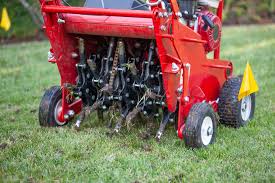
- Core aeration: creates air and water channels in turf and lawn areas and helps you decompact soil in Midland TX by increasing porosity.
- Subsoiling: breaks deep compacted layers without mixing surface soil.
- Tips for the Permian Basin: schedule with favorable moisture; use lightweight equipment to reduce crusting.
Non-invasive soil conditioning
- Organic matter: add compost material to improve structure and water-holding capacity when you decompact soil in Midland TX.
- Gypsum for sodic soils (per soil test guidance); cover crops and mulch to protect soil and reduce mineral build up. It also supports decompacting Midland TX soil over time.
- Regional note: increasing soil biology pays off for drought resilience.
Targeted amendments
- Gypsum and lime as advised by soil tests; biological inoculants (mycorrhizae, beneficial bacteria) to support roots. These practices help decompact soil in Midland TX according to your location’s needs.
- Cautions: avoid over-application; follow soil-test guidance.
Water management
- Irrigate to support post-aeration recovery but avoid over-watering that causes crusts or erosion. Smart water use is vital to decompact Midland TX soil without causing runoff.
- Tailor schedules to Permian Basin rainfall and water availability.
Integrated approach
- Combine aeration, organic amendments, and seasonal cover crops—these together help to efficiently decompact soil in Midland TX.
- Favor shallow, frequent passes to minimize disruption and speed recovery.
Step-by-step plan (condensed)
- Step 1: Assess and map compacted zones; test infiltration to identify where to decompact soil in Midland TX.
- Step 2: Prepare the site; mark utilities; plan traffic control. In Midland TX, set up a plan that includes decompacting soil based on the mapped compaction.
- Step 3: Select method(s):
- Turf/landscaped areas: core aeration plus organic matter.
- Bare soils: deep aeration with amendments.
- Step 4: Implement during favorable moisture; apply amendments per soil test.
- Step 5: Protect and monitor; consider mulch or cover crops.
- Step 6: Follow up in 2–4 months; re-aerate if needed and maintain proper irrigation. For Midland TX sites, soil must be monitored after decompacting for the best long-term results.
Safety, local considerations, and regulations
- PPE and site safety; watch for buried utilities near oilfield facilities. In Midland TX, those working to decompact soil should be mindful of below-ground hazards unique to the area.
- Environmental: prevent runoff and manage dust.
- Permian Basin specifics: conserve water; coordinate access with site managers; plan around hot summers and variable rainfall. Taking these measures is crucial if you want to decompact soil in Midland TX successfully.
- Check local permit requirements for soil disturbance.
Measuring success
- Faster infiltration after rain or irrigation indicates that efforts to decompact soil in Midland TX are working well.
- Deeper, healthier roots in monitored zones.
- Vigorier vegetation and drought resilience.
- Smoother seedbeds with less crusting. This is one visual sign when you decompact Midland TX soil.
Quick pitfalls to avoid
- Over-tillage or excessive disturbance. In Midland TX, soil can be decompacted more effectively by avoiding aggressive tiling.
- Aerating in very dry conditions.
- Skipping soil biology and organic matter will hinder your ability to decompact Midland TX soil efficiently.
- Neglecting site assessment and critical zones near utilities.
A balanced, layered approach—mechanical aeration, organic amendments, and smart irrigation—restores soil structure in the Permian Basin, Midland TX, and Odessa TX. Therefore, to see best results, decompact soil in Midland Texas according to specific site needs and soil conditions. When in doubt call Eternal Tree & Landscape and schedule your consultation. 432-689-8186. We offer full service lawn care programs for the Midland and Odessa areas.
Recent Comments