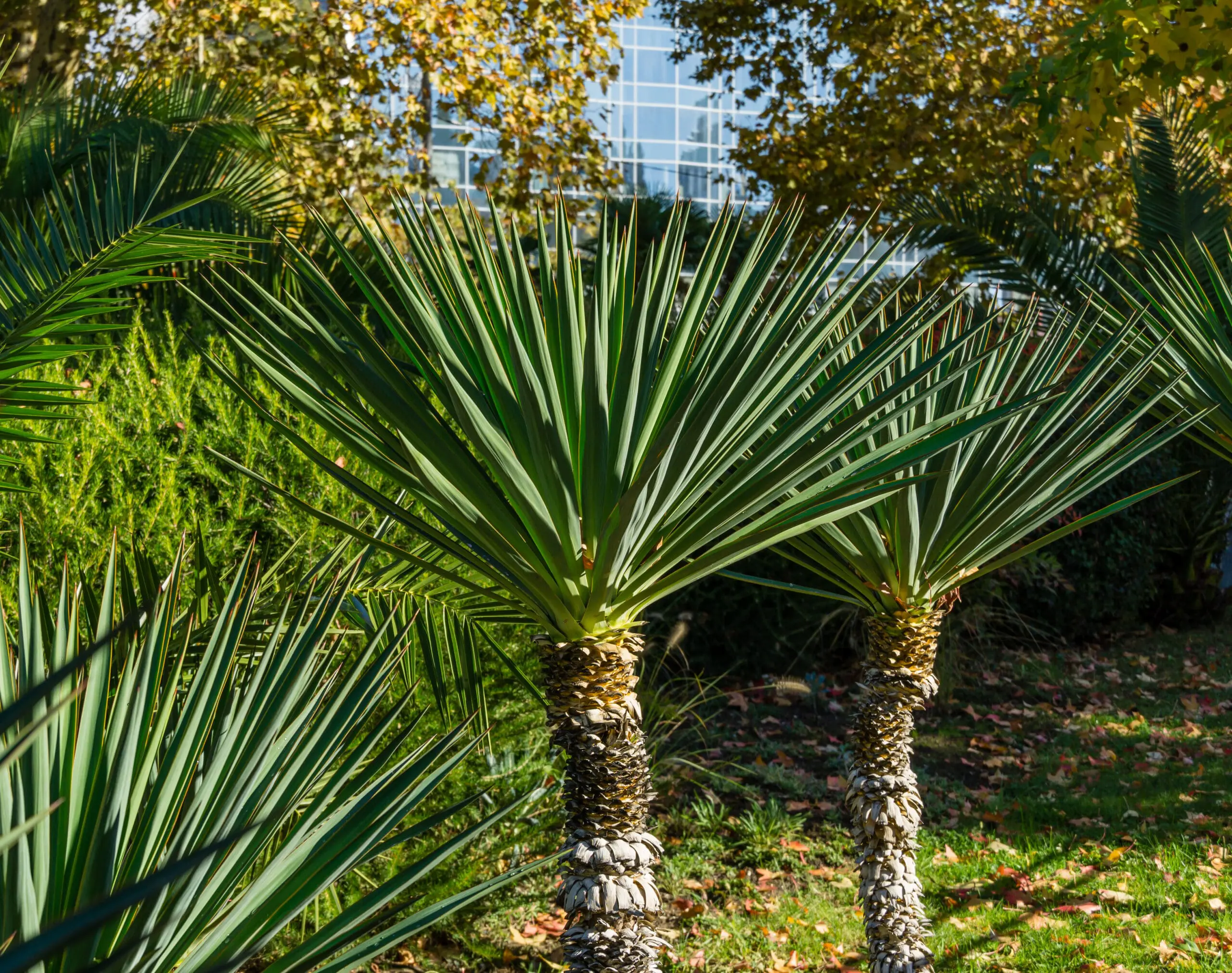
I’m always on the lookout for plants that deliver impact without demanding constant attention. The Spanish Dagger (Yucca gloriosa and close cousins) is one of my go-to recommendations for clients who want architectural style, drought toughness, and year-round interest. If you’ve been thinking about adding a statement plant that can handle heat, sun, and lean soils, this one deserves a spot on your short list.
What makes Spanish Dagger special
- Architectural form: Strong, upright rosettes with dramatic, sword-like leaves create instant structure in the landscape. It looks like sculpture—no pruning shears required.
- Year-round color: Evergreen foliage keeps its presence through every season.
- Drought and heat tolerant: Once established, it needs very little water and thrives in hot, sunny locations.
- Coastal tough: Handles wind and salt spray better than many shrubs, making it great for coastal or exposed sites.
- Showy blooms: In late spring to summer, expect tall stalks topped with clusters of creamy white, bell-shaped flowers that pollinators love.
Size and growth habit
- Height and spread: Typically 4–8 feet tall and 3–6 feet wide as a clump. Flower spikes can reach 6–10 feet.
- Growth rate: Moderate. Faster in sandy, well-drained soils with plenty of sun.
- Form: Usually a clumping rosette; older plants may form short trunks and produce offsets (“pups”) at the base.
Sun and exposure
- Light: Full sun is best for tight form and strong flowering. It will tolerate light shade, but leaves may lengthen and bloom less.
- Hardiness: Generally hardy in USDA Zones 7–11, depending on variety and microclimate. In colder pockets, plant near a warm wall or in a protected spot.
Water and soil needs
- Watering: Low water once established. In the first growing season, water deeply every 7–10 days in hot weather until roots are set. After that, occasional deep soaks during extended droughts are plenty.
- Soil: Excellent drainage is the secret. Sandy or gravelly soils are ideal. If you have heavy clay, we recommend planting on a raised berm with amended, gritty mix to prevent rot.
- Overwatering is the enemy: Consistently wet soil can lead to root or crown rot.
Maintenance and care
- Pruning: Minimal. Remove spent flower stalks near the base after blooming. You can also remove older, lower leaves if you prefer a cleaner look.
- Pups: Spanish Dagger often forms offsets around the base. You can leave them for a larger clump or divide and transplant in warm weather. We can help you split and rehome pups cleanly to avoid damage.
- Fertilizer: Not needy. A light application of a balanced, slow-release fertilizer in spring is optional, especially in very lean soils.
- Winter care: In zone-edge locations, a layer of gravel mulch and a wind-protected site helps prevent cold damage.
Safety and placement tips
- Sharp leaf tips: It’s called “dagger” for a reason. Place away from tight walkways, kids’ play areas, and narrow gates. For family-friendly spaces, we can selectively blunt leaf tips or choose softer yucca varieties with less rigid leaves.
- Sun reflection: Near south-facing walls, yuccas can get extra heat—good for growth, but remember they’ll need a touch more water the first year.
- Container option: Spanish Dagger performs beautifully in large, heavy containers with a cactus/succulent soil mix. Great for patios where in-ground space is limited.
Design ideas we love
- Modern desert accent: Pair with agaves, sotol, and ornamental grasses (like Mexican feather grass) for a clean, architectural look.
- Coastal hardy mix: Combine with wax myrtle, dwarf palmetto, and rosemary for wind- and salt-tolerant plantings.
- Xeric foundation planting: Use as a focal near boulders with decomposed granite mulch to emphasize form and shadow.
- Night lighting: A simple up-light transforms Spanish Dagger into a dramatic evening feature.
Common issues (and how we handle them)
- Rot from poor drainage: We prevent this with proper siting, raised beds, and gritty backfill. If rot appears, we assess whether the plant can be saved by improving drainage and removing affected tissue.
- Scale or mealybugs: Occasional pests that we manage with targeted treatments and improved airflow.
- Yucca weevil (region-dependent): We inspect crowns and remove affected tissue early if detected.
- Leaf spotting or tip burn: Usually cosmetic—often from excess moisture or cold snaps. Clean-up pruning restores appearance.
Planting checklist
- Choose a site with 6–8 hours of sun and good air movement.
- Ensure fast drainage. If in doubt, mound the bed 6–12 inches with a sandy, gritty mix.
- Space plants 4–6 feet apart to allow mature width and airflow.
- Water deeply after planting, then follow a consistent first-year watering plan while roots establish.
- Mulch with rock or gravel rather than wood mulch to keep the crown dry.
Is Spanish Dagger right for your yard?
If you like bold, low-maintenance plants that can handle heat, drought, and tough soils, Spanish Dagger is a smart choice. It shines in water-wise designs and brings structure that many shrubs just can’t match. If you’re concerned about the sharp leaves, we can talk through placement strategies or alternative species that still deliver the architectural look.
Let’s bring your landscape to life
We design, source, and install Spanish Dagger and other climate-smart plants, and we stand behind our work with proper soil prep, irrigation tweaks, and clean, careful installation. If you’d like help choosing the right variety, siting it for long-term health, or integrating it into a full landscape plan, visit our Services page to schedule a consultation. We’re happy to assess your site, recommend companion plants, and handle the heavy lifting—from the first shovel in the ground to the final clean-up.
Recent Comments